11 REASONS WHY YOU ARE GAINING AND NOT LOSING WEIGHT

Credits to the Infographic Show!

Global obesity rates are on the rise. And despite popular opinion, not just in the United States, as processed foods become more popular and technology makes our lives easier and more convenient, our population is becoming heavier. While there are plenty of exercise guides out there and more warnings on how to avoid gaining weight, what are some of the underlooked factors that might be making you lose the Battle of the Bulge? Welcome to another episode of The Infographics Show. These are the reasons why you’re getting fat.

Each year, the world spends $579,000,000,000 in fast food, which is more than the entire total gross domestic product of Sweden at its peak in 2013 and 2014. In the US alone, fast food sales topped at $200 billion in 2015, an incredible climb from just 6 billion in 1970. And as fast food becomes more popular around the world, these figures are only set to rise. It can be easy to look down on these figures, but the modern highstressed lifestyle often leaves individuals with little time for personal homecooked meals.

So let’s look at some other factors that can help you mitigate some of the pounds you’re putting on.

Eleven Amnesiac Eating Everyone’s done it before you get home from work and veg out on the couch to catch up on your favorite show. In the mood for a snack, you grab yourself a bag of chips and Munch away as you watch, mind enraptured by the fantastic adventures on your television screen or amazing episodes of The Infographics Show. Suddenly you look down and before you know it, you’ve finished off an entire bag of chips in one sitting known as amnesiac eating. This is one of the most underappreciated factors in weight gain today, and with Americans spending seven and a half billion dollars on potato chips every year, it’s a widespread phenomenon.

A sister symptom can be bored eating where you start eating something tasty out of sheer boredom.

And food has long been a refuge for those suffering from severe depression. If you find yourself overindulging, an easy fix is to swap for something healthier like baby carrots, where the risk of overeating will only be too much starch in an uncomfortable bathroom trip a few hours later, ten not Enough Sleep In a Global Sleep Ranking study, the United States came in at 10th and quantity of sleep per night. Yet another study showed that 40% of all Americans aren’t getting enough sleep. You might think that being awake would lead to burning more calories.

After all, your body is fully switched on and consuming energy.

Yet not getting enough sleep can lead to some seriously bad weight gain habits. If you’re finding yourself sleepy at work, you’re more likely to reach for a cup of coffee or soda, followed by a sugary snack. And if you’re at home and unable to sleep, you’re probably going to go for a comfort food of some sort. Not only are you picking up bad eating habits, but lack of sleep also increases your fatigue, meaning you’re far more likely to skip a gym day and try to catch some ZS instead.

Nine After Dinner Snacks Everyone knows you can’t have your dessert until after you eat your dinner, but maybe it’s time to start skipping dessert altogether, though there’s nothing wrong with the occasional treat.

Too many people are overindulging after eating, and it can be a tough habit to break, given how trained our minds can be to continue bad habits. To make matters worse, American dinner plates have gotten bigger over the last few decades, which offers a poor perspective on one’s dinner as a large portion looks much smaller when the plate is oversized. Eight Shopping When Hungry It’s an old adage. Don’t go grocery shopping when you’re hungry, usually followed by another ageold adage, your eyes can be bigger than your stomach.

The simple fact is that going shopping when hungry can make all the food you see at the grocery store appear delicious and can seriously influence your shopping experience.

If you’re feeling hungry and route to the grocery store, grab a quick bite first and then compare the amount and type of groceries you bring home when hungry and when not, we’re betting the results will surprise you. Seven Me Hungry Now modern society is full of convenience and all too often that convenience comes in the form of cheap, delicious fast food. As animals, we are evolutionarily hardwired for instant gratification in the wild. Extra calories are rare and given the opportunity, it’s a better survival strategy to Gorge now, as food may not be available later, but we’re no longer bound by the rules of evolution, and your impatience is going to end up costing you serious inches in the waistline.
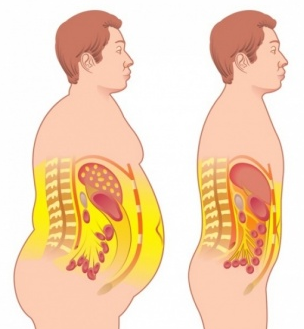
belly fat burn

Next time you’re hungry, tough it out a bit and wait till you’re home and can make something healthier to eat.

Six It’s just a drink. When was the last time you counted calories in that delicious Mojito you had to unwind after a tough week at work. Americans seem to have a major blind spot for alcoholic beverages, and the staggering amount of calories each can contain. The average beer has 185 calories, and if you think you’re safe by sticking to liquor, think again. One and a half ounces of vodka can contain 121 calories.

That’s the equivalent of a bitesized chocolate bar. Every time you down a drink five skipping Breakfast it might sound counterintuitive, but by skipping breakfast, you are actually making yourself more prone to weight gain. That’s because after sleeping for 8 hours or probably less, your body has fasted and not consumed any calories. When you skip breakfast, your stomach takes note and starts to rebel. Demanding Food as lunchtime comes around, you may have planned on a salad and some fruit on the side, but your caloriestarved stomach is going to demand something a lot more substantial.

Don’t fight your stomach. Get yourself a light breakfast to keep it happy until lunch four portion distortion. It’s not just American dinner plates that have gotten physically bigger over the last few decades. It’s the size of portions served at restaurants as well. With plummeting food prices, restaurants have heaped on the servings, and with a brain that’s still trained by evolution to eat everything offered to it for fear of starvation, you’re probably going to chomp down everything put in front of you without a second thought, try and get some perspective on what proper portions look like.

Next time you go out to eat or order in and then limit your intake. If you manage to actually pull that off, please let us know how three fat free is not calorie free. Advertisers are clever, unfortunately, more clever than the average consumer. Many products nowadays are advertised as fat free, while completely ignoring how many calories the product actually contains. Consumers assume that the two are completely separate entities when, in fact they are closely related.

High fat means high calories, but low fat foods can still contain a lot of calories. If you don’t burn those calories off, your body will simply convert them and store them as fat. Stick to low fat and low calorie foods or simply moderate how much you consume of each two condiments condiments Condiments nowadays, almost every single restaurant in the world offers heaps of condiments for free sauces and drizzles packets of ketchup and Mayo. Order takeout from your local restaurant, and you’re guaranteed to get a bag full of delicious to pile on top of your food.

Yet all these condiments can carry some serious calories.

A single packet of ketchup is 20 calories and a packet of yummy Mayo is a whopping 90 calories. All that careful work you do in watching what you order can be of absolutely no avail if you’re ruining it by pouring on the condiments one and the number one habit making you gain weight is not exercising. Did you really expect any other answer? All these bad habits can all be manageable if you maintain a good exercise routine, making a lack of exercise. The number one bad habit for weight gain.

So get out there, put some headphones on, throw on a few infographics, show episodes to your iphone and hit the treadmill for a few minutes a day. What’s your worst weight gaining habit? What’s your best tip for for keeping off the pounds? Let us know in the comments section below. Also be sure to watch our other video called Why You Shouldn’t Need At Night.

Thanks for watching. And as always, don’t forget to like, share and subscribe and as ever, see you next time.

WEIGHT LOSS: SUGAR vs. FAT

Sino nga ba ang tunay na salarin sa ating pagtaba?

Ang sugar o ang fat? Hmmm… 🤔

Sabay sabay nating alamin dito! 👇 #sugarvsfat #therealculprit #weightloss #fitnessjourney

You’ve heard that eating fat makes you fat.

That it contributes to heart disease, diabetes, and obesity. You’ve been told that saturated fat is bad and vegetable oils are good.

But fat gets a bad rap. Find out why sugar is the real culprit.

Continue reading “WEIGHT LOSS: SUGAR vs. FAT”

13 TASTY HIGH PROTEIN FOODS FOR MUSCLE GROWTH and FAT LOSS

Muscle growth at fat loss ba ang gusto mo, mumshie? Eto! Mga high protein foods na makakatulong sa pag build mo ng muscles at pag-alis ng fats! 💪😉

Tuna (light canned in water)

3 oz = 16.5g protein, 73 calories, 0g carbs*

The smidgen of fat present in canned light tuna is mostly the good for you kind, including mega-3 fatty acids.

*Approximate nutritional values.

Continue reading “13 TASTY HIGH PROTEIN FOODS FOR MUSCLE GROWTH and FAT LOSS”

Guide to Body Fat Percentage

Ito ang mga kailangan nating malaman tungkol sa body fat percentage. Check mo dito! 👇

BODY FAT PERCENTAGE: MEN: >20%, WOMEN: >30%

DO MORE:

• Eat processed foods.

• Eat big portions.

• Eat quickly.

DO LESS:

• Exercise of any kind.

• Eat fewer whole foods.

• Do not try to balance meals.

• Sleep less.

• Do not practice stress management.

BODY FAT PERCENTAGE: MEN: 15-20%, WOMEN: 25-30%

DO MORE:

• Eat slowly until satisfied at 60% of your meals.

• Include 1-2 palms of protein dense foods in 1-2 meals per day.

• 1-2 fists of vegetables in 1-2 meals per day.

• Exercise 3-5 times per week, any activity you enjoy, any intensity level.

DO LESS:

• Eat fewer processed carbs but do not reduce carbs drastically.

• Drink fewer caloric beverages but do not reduce drastically.

BODY FAT PERCENTAGE: MEN: 13-15%, WOMEN: 23-25%

DO MORE:

• Eat slowly and only until satisfied at 75% of meals.

• Include 1-2 palms of protein dense foods at 2-3 meals per day.

• Include 2-3 fists of vegetables at 2-3 meals per day.

• Exercise 30-45 minutes daily.

• 1-2 exercise sessions per week working hard, breaking a sweat.

• Sleep at least 7 hours a night.

• Practice some stress management techniques.

DO LESS:

• Desserts/processed carbs 3-5 times per week, within reason.

• Drink 3-5 caloric beverages per week.

BODY FAT PERCENTAGE: MEN: 10-12%, WOMEN: 20-22%

DO MORE:

• Eat slowly and only until satisfied at 90% of meals.

• Include 1-2 palms of protein dense foods at each meal.

• Include 1-2 fists of fibrous vegetables at each meal.

• Include 1-2 thumbs of essential fats at most meals.

• Include 1-2 cupped handfuls of minimally processed carbs at most meals.

• Exercise 45-60 minutes daily.

• 3-4 exercise sessions per week working hard, breaking a sweat.

• Sleep at least 7-8 hours per night.

• De-stress daily for 20 minutes.

DO LESS:

• Eat desserts/processed carbs only 1-2 times per week, within reason.

• Drink 1-2 caloric beverages per week.

BODY FAT PERCENTAGE: MEN: 6-9%, WOMEN: 16-19%

DO MORE:

• Eat slowly and only until satisfied at 95% of meals.

• Include 1-2 palms of protein dense foods at each meal.

• Include 1-2 fists of fibrous vegetables at each meal.

• Include 1-2 thumbs of essential fats at each meal.

• Include 1-2 cupped handfuls of minimally processed carbs after workouts.

• Start to incorporate calorie/carb cycling.

• Exercise 60-75 minutes daily.

• 4-5 exercise sessions weekly working hard/breaking a sweat.

• Sleep at least 8-9 hours each night.

• De-stress for 20 minutes daily.

DO LESS:

• Limit carbs to designated higher carb days.

• Eat desserts/processed carbs one time every 1-2 weeks, within reason.

• Drink one caloric beverage one time ever 1-2 weeks, within reason.

• Will want to start limiting time at restaurants, 1-2 times per week.

BODY FAT PERCENTAGE: MEN: <6%, WOMEN: <16%

DO MORE:

• Eat slowly and only until satisfied at 99.9% of meals.

• Incorporate calorie/carb cycling.

• Follow meal plan with predetermined foods and amounts.

• Measure food specifically.

• Include exact amount of protein dense foods at each meal.

• Include exact amount of fibrous vegetables at each meal.

• Include exact amount of essential fats at each meal.

• Include exact amount of minimally processed carbs after workouts.

• Exercise 45-75 minutes, twice daily.

• 6-7 exercise sessions weekly working hard/breaking a sweat.

• Sleep at least 9 hours each night.

• De-stress for 20 minutes daily.

DO LESS:

• Otherwise limited to designated higher carb days.

• Eat desserts/processed carbs one time every 10-12 weeks, within reason.

• Avoid caloric beverages.

• Avoid eating at restaurants.

***

So saan pasok ang body fat percentage mo dito, bes? 🤔

(Photo and info from Google Images)

POPULAR WEIGHT LOSS DIETS: Pros, Cons and Comparisons

Maraming mga diet programs ang nasa market ngayon.

Sa sobrang dami nila, baka nalilito ka na rin sa kung alin sa mga ito ang pinaka effective.

Alin kaya sa mga diets na ito ang nababagay sa atin,? 🤔 Tara, check natin to! 👇


1. Low or Very Low Calorie Diets

Calories are a measure of energy in food.

Knowing the calorie content of food can help you achieve or maintain a healthy weight by knowing how a particular food fits into your daily energy needs. In order to lose weight, you must consume less energy than you use.

very low calorie diet

Low calorie diets typically range from 800-1500 cals/day and very low calorie diets (VLCD) are usually classified as under 800 cals/day.

Some commercial programs are accompanied by supplements and injections which are said to speed up weight loss.

Examples: HCG Diet, Dr. Bernstein, Medically Supervised Weight Loss

Pros:

Medical assistance and supervision for personalized attention and care.

Rapid weight loss.

Support for weight loss maintenance.

Cons:

May feel hungry often.

Risk of constipation, dizziness, fatigue and nutrient deficiencies.

High chance of weight re-gain.

VLCD’s are affiliated with gallstones.

Supplements/injections may contain ingredient combos in doses that have not been adequately studied for efficacy.

Expensive.

2. Commercial Diet Product-Based Programs

Based on your weight, you’re recommended a diet, exercise, & behavior modification program to help you lose about 1lb/wk.

Commercial Diet Product-

Products such as pills, supplements, shakes, pre-packaged and pre-portioned meals are sold as the basis of your diet regime, and may be delivered to your door.

Weekly classes & individual or group counselling is often offered and lifestyle management, motivation & nutritional info is sometimes provided.

Examples: Jenny Craig, Medifast, Slim Fast, Nutri System, Herbal Magic

Pros:

Convenient, fast and easy.

Takes the guess work out of healthy eating.

No specific food groups or foods are off limits – they even offer dessert!

Cons:

Expensive.

Can become reliant on products.

Lack of overall nutrition education/basic healthy eating skills.

May be difficult to adjust eating outside of program in social settings.

Herbal supplements may increase risk of drug interactions and renal problems & lack evidence to suggest efficacy.

3. Fasting

Fasting is a dietary pattern that reduces the amount you eat for short periods of time.

Some plans suggest alternating between normally (unmoderated) eating days and fasting days each week, with fasting usually described at around 1/4 of your normal intake.

Fasting

Other fasting regimes suggest zero consumption for 14-16 hours a day, and eating unmoderated for the remaining 8-10.

In either case, the idea is to reduce overall weekly caloric intake to induce weight loss.

Examples: LeanGains, Fat Loss Forever, Eat Stop Eat, Warrior Diet, 5:2 Meal Plan, Alternate Day, Intermittent Fasting

Pros:

Some may find it easy to only need to “diet” for a few days/ week.

May help improve blood pressure, cholesterol, & insulin.

Fat may be more readily burned after glucose stores are used up during fasting.

Cons:

Potential for dehydration on fast days.

Significant hunger.

Fasting may increase stress, sleep disruption, headaches, & fatigue.

Lack of overall nutrition education and healthy relationship with food.

May have difficulty maintaining in social situations.

Lacks long-term evidence of efficacy.

4. Cleanses, Detoxes, & Juicing

The alleged reason for cleansing is to boost energy and immunity, allow your digestive system to “rest” and to stimulate weight loss.

May include herbal or medicinal supplements, laxatives, strict restrictive diet, large intakes of water, juice, or fiber for the duration of the plan.

detox juicing

Examples: Master Cleanse, WildRose Detox, Juju Cleanse, David Kirsch, Colon Cleaning, Candida Cleanse, Cleon Eating

Pros:

Automatically eliminates unhealthy behaviors like drinking alcohol, smoking, or eating processed high fat foods.

May be a way to get more fruits, vegetables and water.

Cons:

Hunger.

Risk of dehydration, electrolyte imbalances, low blood sugar, low blood pressure, headaches, and fatigue.

Potential interactions with medications.

Doesn’t address long term healthy eating strategies.

Juicing is associated with increased risk of Diabetes.

Difficult to maintain in social situations.

Lacks long-term evidence of efficacy.

5. Low Carb Diets

These diets restrict intake of carbohydrate-containing food (breads, cereals, starchy veg, fruits, milk products, etc.), while including larger amounts of protein and fat.

Some low-carb diets encourage leaner meats and healthier fats while others permit foods high in saturated fat.

low carb diet

Popular regimes include around 20g of carbs/day or less for 2-3 months and 50g carbs or less/day for ongoing weight loss phase.

Examples: Atkins, Dukans, The Zone, Ketogenic, Paleo, South Beach

Pros:

Relatively fast weight loss.

High rate of satiety.

Focus on high consumption of vegetables.

Low glycemic load.

May help you automatically cut down on alcohol, and high sugar processed foods.

Cons:

Foggy head, fatigue, bad mood and bad breath due to ketosis.

Risk of consuming too much saturated fat (which may increase bad LDL cholesterol).

Lack of fiber from low carb- consumption may cause constipation.

Potential stress on the kidneys.

Potential nutrient deficiencies from lack of carbs.

6. Low Fat & Nutrient Dense Reduced Calorie

Dietary fat provides 9 calories per gram compared to carbohydrates & proteins that both provide 4 calories per gram, so most low fat diets also are reduced calorie.

Some low fat diets suggest anywhere from 15% to less than 10% of caloric intake from fat and focus on very lean proteins (often vegetarian), whole grains and fruits and vegetables.

Low-Fat, Low-Calorie

The idea is to choose foods that are higher in fiber and water content and therefore, contain a higher volume of food for fewer calories.

Some calorie counting programs assign point values to food and activity instead of focusing on specific calories.

Examples: The Pritikin Diet, Volumetrics, Ornish, Weight Watchers

Pros:

No large food groups excluded.

May help lower cholesterol level, blood pressure, cardiovascular risk & stabilize blood sugar.

May help you feel satisfied thanks to fiber and larger portions.

Cons:

Diets may be lacking omega-3 fatty acids & risk deficiency in fat soluble vitamins.

Fat is satiating, so may still feel hungry despite eating voluminous portions of food.

Fat-Free foods may have hidden sugars.

Food with “zero points” still have calories over consumption may slow weight loss.

7. Mindfulness

Mindful eating is more about how you eat than it is about what you eat.

It is about being aware of your hunger and satiety signals, the emotional and physical sensations you experience while eating, and the thoughts and emotions you have around eating and food.

It is also about finding peace with your body and honoring its unique needs, rather than purposefully restricting or feeling guilty about what you eat or what you weigh or look like.

Examples: Intention, Attention, Triggers, Body Cues, Recognition

Pros:

Evidence suggests long-term efficacy.

Healthy eating regime that is manageable for life (long term)

Strengthens personal connection to eating & food.

Prevents overeating and hunger.

Reduces guilt & anxiety about food.

Improves digestion with thorough chewing.

No foods are off limits (even treats are encouraged!)

Cons:

Requires more time at meals.

Shift in eating behavior may be challenging for chronic dieters.

Need distraction-free eating environment.

May not see rapid changes in weight or body shape.

8. Heart Healthy Diet

These diets highlight specific patterns of eating and heart healthy lifestyle choices to achieve healthy weights.

Emphasis is placed on eating an abundance of fresh fruits and vegetables, eating more whole grains, lean protein, and low-fat dairy, legumes, nuts, and healthy fats including olive oil and omega-3 fatty acids.

Limiting meat, processed food and sugar is encouraged.

In general, most suggest eating a variety of foods, limiting saturated fat to less than 7% of total calories, total fat to 25-35% of calories, and dietary cholesterol to less than 200mg per day.

Examples: Mediterranean Diet, TLC Diet, Canada’s Food Guide, Anti-inflammatory Diet, Nordic Diet

Pros:

May help lower cardiovascular risk & cholesterol levels.

High in antioxidants through promotion of high fruit and vegetable intake.

Promotes physical activity.

Reduces processed foods and sodium intake.

Promotes satiety.

Encourages consumption of healthy fats.

Cons:

Emphasis on whole grains, fruits, vegetables, nuts, and fish can be expensive.

Some people may not see significant weight loss or may feel overwhelmed by a lack of structure or set of strict rules.

9. Strict Elimination Diets

Elimination diets are typically used when individuals suspect certain foods are causing adverse effects, such as food allergies or intolerance.

Suspected foods are removed from the diet entirely for a period of time and reintroduced and evaluated on how the body responds.

Some diets that eliminate certain food groups do so for philosophical or lifestyle reasons, and not necessarily for evidence-based health concerns.

Examples: Vegan, Low-Foodmap Diet, Raw Food Diet, Macrobiotic, Blood Type Diet, Gluten-Free Diet

Pros:

May experience relief with food intolerances or allergies.

Strict rules are easy to follow and can quickly eliminate a wide variety of processed, high calorie foods and drinks.

Cons:

Rigid rules are very hard to follow long term.

Specialty products can be very expensive.

If whole food groups eliminated, there is a potential for nutritional deficiencies.

Very difficult to maintain in social situations.

Strict rules may contribute to disordered eating patterns.

Lacks long-term evidence of efficacy for weight-loss.

When choosing a lifestyle or diet… Look for one that:

-Promotes weight maintenance or gradual loss (1-2 lb/wk), if desired.

-Emphasizes long-term, manageable lifestyle changes.

-Encourages pleasurable (not extreme) exercise.

-Does not exclude food groups.

-Does not claim certain foods are “bad”

-Doesn’t require you to buy expensive products or sign long-term contracts.

-Promotes weight loss aids or supplements that are supported by research.

-Encourages you to love your body and food!

SPEAK TO A REGISTERED DIETITIAN OR HEALTHCARE PROFESSIONAL FOR PERSONALIZED CARE AND INFORMATION.

***

Sana’y makatulong ang mga impormasyong narito upang ma-assess mo ang weight loss diet na para sa’yo, mumsh! 😊 #cheerstoahealthierandfitteryou

(Photo and info from Google Images; Contact Abbey from www.abbeyskitchen.com for references)

THE PRIMAL BLUEPRINT 21-DAY CHALLENGE

Nabanggit na natin sa isang post and different and popular ways kung paano tayo makakapag bawas ng timbang. Isa na nga doon ay ang Commercial Diet Product based programs.

Sa post na ito, check natin ang mga benefits at paano gawin ang Primal Blueprint, na isa sa mga program na commercially available.

Optional na bilhin, pero ang mga tips ay applicable sa ating lahat.

Continue reading “THE PRIMAL BLUEPRINT 21-DAY CHALLENGE”

8 POWER POINTS TO LASTING WEIGHT LOSS

Lahat tayo gustong maging healthy, fit, and sexy forever. Pero parang ang hirap ma-achieve, ‘di po ba? Nasa lifestyle lang naman yan eh. Kaya naman narito ang ilang points/ways para sa lasting weight loss and overall health and well being. 👇👏🙌

Everybody wants to know how to make real, permanent, and healthy weight loss. The solution lies with simple lifestyle changes that are easy to do, and easy to stick with. Here are Eight Ways to Boost Your Metabolism, Lose Weight, and Improve your Overall Health and Well Being.

1. Think Addition, Not Subtraction

Add things a few of your favorite fruits into your lunch bag.

2. Forget About Exercising

Forget about making a specific “work out” time, instead increase your physical activity in fun ways.

3. Avoid Sugar

Sugar, especially white granulated sugar, make your body store fat.

4. Don’t Skip Out On Breakfast.

Breakfast is the most important meal of the day. Not eating breakfast slows the metabolism.

5. Lighten the Load

Instead of denying yourself the foods you love, find ways to “lighten them up” a bit.

6. Water, Water, Water

You cannot expect to lose weight without proper hydration. Also downing a glass of water before you eat is a great way to eat less.

7. Reduce Stress

Lowering stress & anxiety helps lower your blood pressure, improves the immune system.

8. Healthy Supplementation

While there are no magic pills, there are supplements such a Real Dose.

***

Lifestyle change lang naman ang susi sa pagiging fit and healthy permanently. Yakang yaka naman ‘di ba, bessy? Aja! Fighting! 👊💪

(Photo and info from Google Images; Presented by MD Weight Loss and Cosmetics)