11 REASONS WHY YOU ARE GAINING AND NOT LOSING WEIGHT

Credits to the Infographic Show!

Global obesity rates are on the rise. And despite popular opinion, not just in the United States, as processed foods become more popular and technology makes our lives easier and more convenient, our population is becoming heavier. While there are plenty of exercise guides out there and more warnings on how to avoid gaining weight, what are some of the underlooked factors that might be making you lose the Battle of the Bulge? Welcome to another episode of The Infographics Show. These are the reasons why you’re getting fat.

Each year, the world spends $579,000,000,000 in fast food, which is more than the entire total gross domestic product of Sweden at its peak in 2013 and 2014. In the US alone, fast food sales topped at $200 billion in 2015, an incredible climb from just 6 billion in 1970. And as fast food becomes more popular around the world, these figures are only set to rise. It can be easy to look down on these figures, but the modern highstressed lifestyle often leaves individuals with little time for personal homecooked meals.

So let’s look at some other factors that can help you mitigate some of the pounds you’re putting on.

Eleven Amnesiac Eating Everyone’s done it before you get home from work and veg out on the couch to catch up on your favorite show. In the mood for a snack, you grab yourself a bag of chips and Munch away as you watch, mind enraptured by the fantastic adventures on your television screen or amazing episodes of The Infographics Show. Suddenly you look down and before you know it, you’ve finished off an entire bag of chips in one sitting known as amnesiac eating. This is one of the most underappreciated factors in weight gain today, and with Americans spending seven and a half billion dollars on potato chips every year, it’s a widespread phenomenon.

A sister symptom can be bored eating where you start eating something tasty out of sheer boredom.

And food has long been a refuge for those suffering from severe depression. If you find yourself overindulging, an easy fix is to swap for something healthier like baby carrots, where the risk of overeating will only be too much starch in an uncomfortable bathroom trip a few hours later, ten not Enough Sleep In a Global Sleep Ranking study, the United States came in at 10th and quantity of sleep per night. Yet another study showed that 40% of all Americans aren’t getting enough sleep. You might think that being awake would lead to burning more calories.

After all, your body is fully switched on and consuming energy.

Yet not getting enough sleep can lead to some seriously bad weight gain habits. If you’re finding yourself sleepy at work, you’re more likely to reach for a cup of coffee or soda, followed by a sugary snack. And if you’re at home and unable to sleep, you’re probably going to go for a comfort food of some sort. Not only are you picking up bad eating habits, but lack of sleep also increases your fatigue, meaning you’re far more likely to skip a gym day and try to catch some ZS instead.

Nine After Dinner Snacks Everyone knows you can’t have your dessert until after you eat your dinner, but maybe it’s time to start skipping dessert altogether, though there’s nothing wrong with the occasional treat.

Too many people are overindulging after eating, and it can be a tough habit to break, given how trained our minds can be to continue bad habits. To make matters worse, American dinner plates have gotten bigger over the last few decades, which offers a poor perspective on one’s dinner as a large portion looks much smaller when the plate is oversized. Eight Shopping When Hungry It’s an old adage. Don’t go grocery shopping when you’re hungry, usually followed by another ageold adage, your eyes can be bigger than your stomach.

The simple fact is that going shopping when hungry can make all the food you see at the grocery store appear delicious and can seriously influence your shopping experience.

If you’re feeling hungry and route to the grocery store, grab a quick bite first and then compare the amount and type of groceries you bring home when hungry and when not, we’re betting the results will surprise you. Seven Me Hungry Now modern society is full of convenience and all too often that convenience comes in the form of cheap, delicious fast food. As animals, we are evolutionarily hardwired for instant gratification in the wild. Extra calories are rare and given the opportunity, it’s a better survival strategy to Gorge now, as food may not be available later, but we’re no longer bound by the rules of evolution, and your impatience is going to end up costing you serious inches in the waistline.
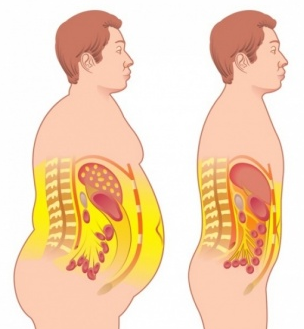
belly fat burn

Next time you’re hungry, tough it out a bit and wait till you’re home and can make something healthier to eat.

Six It’s just a drink. When was the last time you counted calories in that delicious Mojito you had to unwind after a tough week at work. Americans seem to have a major blind spot for alcoholic beverages, and the staggering amount of calories each can contain. The average beer has 185 calories, and if you think you’re safe by sticking to liquor, think again. One and a half ounces of vodka can contain 121 calories.

That’s the equivalent of a bitesized chocolate bar. Every time you down a drink five skipping Breakfast it might sound counterintuitive, but by skipping breakfast, you are actually making yourself more prone to weight gain. That’s because after sleeping for 8 hours or probably less, your body has fasted and not consumed any calories. When you skip breakfast, your stomach takes note and starts to rebel. Demanding Food as lunchtime comes around, you may have planned on a salad and some fruit on the side, but your caloriestarved stomach is going to demand something a lot more substantial.

Don’t fight your stomach. Get yourself a light breakfast to keep it happy until lunch four portion distortion. It’s not just American dinner plates that have gotten physically bigger over the last few decades. It’s the size of portions served at restaurants as well. With plummeting food prices, restaurants have heaped on the servings, and with a brain that’s still trained by evolution to eat everything offered to it for fear of starvation, you’re probably going to chomp down everything put in front of you without a second thought, try and get some perspective on what proper portions look like.

Next time you go out to eat or order in and then limit your intake. If you manage to actually pull that off, please let us know how three fat free is not calorie free. Advertisers are clever, unfortunately, more clever than the average consumer. Many products nowadays are advertised as fat free, while completely ignoring how many calories the product actually contains. Consumers assume that the two are completely separate entities when, in fact they are closely related.

High fat means high calories, but low fat foods can still contain a lot of calories. If you don’t burn those calories off, your body will simply convert them and store them as fat. Stick to low fat and low calorie foods or simply moderate how much you consume of each two condiments condiments Condiments nowadays, almost every single restaurant in the world offers heaps of condiments for free sauces and drizzles packets of ketchup and Mayo. Order takeout from your local restaurant, and you’re guaranteed to get a bag full of delicious to pile on top of your food.

Yet all these condiments can carry some serious calories.

A single packet of ketchup is 20 calories and a packet of yummy Mayo is a whopping 90 calories. All that careful work you do in watching what you order can be of absolutely no avail if you’re ruining it by pouring on the condiments one and the number one habit making you gain weight is not exercising. Did you really expect any other answer? All these bad habits can all be manageable if you maintain a good exercise routine, making a lack of exercise. The number one bad habit for weight gain.

So get out there, put some headphones on, throw on a few infographics, show episodes to your iphone and hit the treadmill for a few minutes a day. What’s your worst weight gaining habit? What’s your best tip for for keeping off the pounds? Let us know in the comments section below. Also be sure to watch our other video called Why You Shouldn’t Need At Night.

Thanks for watching. And as always, don’t forget to like, share and subscribe and as ever, see you next time.

8 POWER POINTS TO LASTING WEIGHT LOSS

Lahat tayo gustong maging healthy, fit, and sexy forever. Pero parang ang hirap ma-achieve, ‘di po ba? Nasa lifestyle lang naman yan eh. Kaya naman narito ang ilang points/ways para sa lasting weight loss and overall health and well being. 👇👏🙌

Everybody wants to know how to make real, permanent, and healthy weight loss. The solution lies with simple lifestyle changes that are easy to do, and easy to stick with. Here are Eight Ways to Boost Your Metabolism, Lose Weight, and Improve your Overall Health and Well Being.

1. Think Addition, Not Subtraction

Add things a few of your favorite fruits into your lunch bag.

2. Forget About Exercising

Forget about making a specific “work out” time, instead increase your physical activity in fun ways.

3. Avoid Sugar

Sugar, especially white granulated sugar, make your body store fat.

4. Don’t Skip Out On Breakfast.

Breakfast is the most important meal of the day. Not eating breakfast slows the metabolism.

5. Lighten the Load

Instead of denying yourself the foods you love, find ways to “lighten them up” a bit.

6. Water, Water, Water

You cannot expect to lose weight without proper hydration. Also downing a glass of water before you eat is a great way to eat less.

7. Reduce Stress

Lowering stress & anxiety helps lower your blood pressure, improves the immune system.

8. Healthy Supplementation

While there are no magic pills, there are supplements such a Real Dose.

***

Lifestyle change lang naman ang susi sa pagiging fit and healthy permanently. Yakang yaka naman ‘di ba, bessy? Aja! Fighting! 👊💪

(Photo and info from Google Images; Presented by MD Weight Loss and Cosmetics)

CARB CYCLING IN LOSING FAT AND BUILDING MUSCLE

Narinig nyo na ba ang tungkol sa Carb Cycling? Ano nga ba ito at paano ito nakatutulong sa paglo-lose ng fat at pagbi-build ng muscle? 🤔 Well, alamin yan dito! 👇😉


HOW TO USE CARB CYCLING TO LOSE FAT AND BUILD MUSCLE

I don’t know about you, but I like simple.

And here’s a simple fact for you: You don’t need to do anything particularly special or fancy to build the body of your dreams.

At least 80% of the game is just understanding and applying a relatively small number of physiological principles related to diet and exercise.

And I’d go as far as saying that the majority of what’s left is just patience and persistence.

You don’t need convoluted training programs or diets. You need fundamentals.

That said, once you have the fundamentals firmly in place, you can look to gain slight edges.

This is where things like supplementation, fasted training, periodization, and carb cycling come into play.

And in this infographic, we’re going to look at what carb cycling is and how to do it right.

WHAT IS CARB CYCLING?

Carb cycling is a method of dieting that involves planned increases and decreases in carbohydrate intake (and generally in caloric intake as well).

THE 3 TYPES:

There are many different carb cycling protocols, but most have you alternate between at least two of three types of days:

High-Carb Days: 2-2.5 grams of carbs per pound of body weight.

Low-Carb Days: 0.5 grams of carbs per pound of body weight.

No-Carb Days: < 30 grams of carbs per day.

à The reason for this is no-carb days (with fewer than 30 grams of carbs) have few practical benefits but make compliance significantly harder.

In this infographic, however, you’re going to learn how to follow a simple carb cycling protocol that has just two types of days—the High-Carb Day and Low-Carb Day.

HOW TO USE CARB CYCLING TO LOSE FAT

# of Days

3:1

When you’re carb cycling to lose fat, you want to have three low-carb days followed by one high-carb day.

Day Placement

Where you place your high-carb day doesn’t matter much because it moves around week to week.

Calorie Intake

Here’s how you want to set up your calories:

High-Carb Days: A 10% caloric deficit (90% of total daily energy expenditure)

Low-Carb Days: A 25% caloric deficit (75% of total daily energy expenditure)

Macro Intake

Remember to plan and track macros if you want guaranteed results.

High-Carb Days: 1 gram of protein per pound of body weight, 50% of your calories from carbs, get the rest of your calories from fat (“use” the calories left after calculating protein and carb intakes.)

Low-Carb Days: 1 gram of protein per pound of body weight, 20% of your calories from carbs, get the rest of your calories from fat (“use” the calories left after calculating protein and carb intakes.)

Example

Here’s a high-carb day and a low-carb for a 190-pound man:

High-Carb Days: 2700 calories, 190 grams of protein, 335 grams of carb, and 65 grams of fat.

Low-Carb Days: 2300 calories, 190 grams of protein, 110 grams of carb, and 115 grams of fat.

HOW TO USE CARB CYCLING TO BUILD MUSCLE

# of Days

3:2

To maximize muscle growth while carb cycling, every block of five days should consist of three low-carb days and two high-carb days.

Day Placement

Your low- and high-carb days don’t have to be lined up in a row. Some people like to follow three back-to-back low-carb days with two high-carb days.

or

Others like to stagger them based on how they’re feeling in the gym, doing let’s say one high-carb day, one low-carb day, one high-carb day, and two low-carb days.

Try to schedule most of your high-carb days to fall on days that you’re lifting weights and most of your low-carb days on days that you’re not.

Calorie Intake

Here’s how you want to set up your calories:

If Bulking: A 10% caloric surplus (110% of your total daily match your total daily energy expenditure).

If Maintaining: Caloric intake should match your total daily energy expenditure.

Macro Intake

Remember to plan and track macros if you want guaranteed results.

High-Carb Days: 1 gram of protein per pound of body weight, 50% of your calories from carbs, get the rest of your calories from fat (“use” the calories left after calculating protein and carb intakes.)

Low-Carb Days: 1 gram of protein per pound of body weight, 25% of your calories from carbs, get the rest of your calories from fat (“use” the calories left after calculating protein and carb intakes.)

Example

Here’s a high-carb day and a low-carb for a 190-pound man:

High-Carb Days: 3000 calories, 190 grams of protein, 375 grams of carb, and 80 grams of fat.

Low-Carb Days: 3000 calories, 190 grams of protein, 190 grams of carb, and 165 grams of fat.

***

Ngayong alam na natin kung ano ang Carb Cycling, nagustuhan nyo ba ito? Sa tingin nyo ba ito na ang nababagay at nararapat na diet para sa inyo? Ano’ng masasabi ninyo? 🤔 Comment your opinions, ideas, and suggestions below! 👇

(Photo and info from Google Images; Legion legionathletics.com)

THE SIMPLE SCIENCE OF BODY RECOMPOSITION

Ganito mag build ng muscle at mag lose ng fat all at the same time, besh! 💪👙😍 Kaya alamin na dito kung paano ‘yun magagawa’t mangyayari! 👇

HOW TO BUILD MUSCLE AND LOSE FAT AT THE SAME TIME

Nothing drives more people into gyms and GNCs than the desire to build muscle and lose fat at the same time, or “body recomposition,” as it’s also known.

It sounds so simple that it must be possible, right?

People always talk about “shifting fat” into muscle with the right exercises, diet, and supplements, don’t they?

There’s no reason why you shouldn’t be able to gain muscle while burning fat, no?

Well, I have good news and bad news.

The good: yes, it’s possible to build muscle and lose fat simultaneously.

The bad: it’s only possible under certain (unalterable) conditions.

The ugly: the majority of advice on how to actually do it is way off the mark.

Yes, those “gurus” that swear their overpriced PDFs, pills, and powders contain the real secrets to making “lean gains” are almost always lying.

And in this infographic, we’re going to get to the bottom of it.

We’re going to dive into how the body actually builds muscle and loses fat and then look at what it really takes to do both at the same time.

THE SIMPLE SCIENCE OF MUSCLE GROWTH

EVERY DAY, 2 VITAL CHEMICAL PROCESSES OCCUR IN YOUR MUSCLES:

Protein Degradation

This refers to the breakdown of muscle proteins into their smaller components, peptides and amino acids.

Protein Synthesis

This refers to the creation of new muscle proteins from these smaller molecules.

FOR MUSCLES TO GROW LARGER OVER TIME, MUSCLE PROTEIN SYNTHESIS RATES MUST EXCEED PROTEIN DEGRADATION RATES.

That is, your body must create more muscle proteins than it loses. Every day that it does this, your muscles grow a little larger.

THE BEST WAY TO CAUSE PROTEIN SYNTHESIS RATES TO OUTPACE DEGRADATION RATES IS TRAINING YOUR MUSCLES.

Resistance training damages muscle cells, which tells the body it needs to ramp up protein synthesis rates to repair the tissues.

It doesn’t just repair them to their previous state, though. It wants to adapt to better deal with the stimulus-the training-and so it adds new muscle cells, increasing the muscles’ size and strength.

THIS IS WHY RESEARCH SHOWS THAT PROGRESSIVE OVERLOAD IS THE PRIMARY DRIVER OF MUSCLE GROWTH.

This is why, as a natural weightlifter, you must get stronger if you want to get bigger.

THE SIMPLE SCIENCE OF FAT LOSS

LOSING FAT IS MUCH SIMPLER THAN YOU’VE BEEN LED TO BELIEVE.

You don’t have to obsess over “eating clean.”

You don’t have to avoid carbs or any other food, really.

You don’t have to eat a certain number of meals per day or follow a rigid schedule.

You don’t have to try to influence your hormones.

If you want to escape all the bad weight loss advice out there like this, you need to understand one simple thing – Energy Balance.

UNDERSTANDING ENERGY BALANCE – ENERGY CONSUMED & ENERGY BURNT

This refers to the relationship between the amount of energy you give your body through eating food and the amount of energy it expends through cellular and physical activity.

The absolute immutable truth about meaningful weight loss…as demonstrated by thousands of controlled weight loss trials conducted over the last 100 years…is this:

YOU MUST BURN MORE ENERGY THAN YOU CONSUME.

It doesn’t matter how many “unclean” foods you eat or when you eat them or anything else.

Your metabolism runs on the first law of thermodynamics, which means fat (energy) stores can’t be increased without a surplus of energy, and can’t be decreased without the restriction of energy.

In other words, if you eat more energy (calories) than you burn, you’re going to gain weight. And if you eat less, you’re going to lose weight.

WHEN TALKING BODY RECOMPOSITION, THOUGH, THE GOAL ISN’T TO LOSE WEIGHT. IT’S TO LOSE FAT AND NOT MUSCLE.

And when that’s the goal, certain types of calories are more important than others.

The most important calories of all are those that come from protein, because research shows that when restricting calories, a high-protein diet is more effective at reducing body fat, helps preserve muscle, and increases satiety.

THE SIMPLE SCIENCE OF BODY RECOMPOSITION

The major determining factors are training state and experience. There are many physiological reasons for this, but here’s what it boils down to:

IF YOU’RE NEW TO WEIGHTLIFTING OR ARE GETTING STARTED AGAIN NEWLY

You shouldn’t have any trouble building muscle and losing fat simultaneously.

IF YOU HAVE AT LEAST 6 TO 8 MONTHS OF WEIGHTLIFTING UNDER YOUR BELT AND AREN’T COMING OFF A LONG BREAK

You probably can’t recomp. The exception to the second point is the person that has been lifting weights for some time but has never emphasized heavy compound weightlifting. It’s very likely that he or she will experience a surge of “newbie gains” in the beginning that can include building muscle while in a caloric deficit.

HERE’S HOW TO SUCCESSFULLY RECOMP YOUR BODY RECOMPOSITION IN 5 SIMPLE STEPS:

Step 1: Maintain a Moderate Caloric Deficit

You must be in a caloric deficit to lose fat but you don’t want to eat so little that you lose a lot of muscle.

Instead, you want to eat about 75% of the calories you burn every day, which allows you to lose fat rapidly while preserving muscle.

Step 2: Emphasize Heavy Compound Weightlifting

When you’re in a calorie deficit, you want emphasize heavy compound weightlifting in your workouts. And especially if you want to build muscle while you lose fat.

You should be squatting, deadlifting, military and bench pressing every week, and you should be doing most of your work with 75 to 85% of your 1RM (4-to-10 rep range).

Step 3: If You’re Going to Do Cardio, Do HIIT

You don’t have to do cardio to get lean, but sometimes you just need to burn more energy every week to keep the fat loss going.

When that time comes, don’t bother with the typical routine of 1 to 2 hours of low-intensity cardio 5 to 7 days per week.

Instead, do 1 to 2 hours of high-intensity interval training (HIIT) per week.

Step 4: Get Enough Sleep

A week of reduced sleep is enough to reduce testosterone, growth hormone, and insulin-like growth factor-I (IGF-1) levels, which all play important roles in building and maintaining lean mass and burning fat.

Sleep needs are variable but the National Sleep Foundation recommends that adults get 7 to 9 hours per night to avoid the repercussions of sleep deprivation.

Step 5: Take the Right Supplements

You don’t need supplements to succeed in your body recomposition efforts but the right ones can really help. Specifically, you’re looking to achieve three things with your supplementation:

1. You want to maintain training intensity, which helps you maintain muscle and strength.

2. You want to improve your body’s ability to preserve and build muscle and strength.

3. You want to lose fat as quickly as possible, which minimizes the amount of time you need to spend in a calorie deficit.

And there are a handful of safe, natural supplements that can deliver on each of those targets:

RECHARGE is a post-workout recovery supplement that contains three ingredients that help you in your body recomposition efforts: creatine monohydrate, L-carnitine L-tartrate, and corosolic acid.

PHOENIX is a caffeine-free fat burner that helps you burn fat by increasing metabolic speed, amplifying the power of fat-burning chemicals produced by your body, and by increasing the feeling of fullness from food.

PULSE is a pre-workout drink that contains clinically effective dosages of 7 ingredients that are 100% scientifically proven to enhance energy levels, increase focus, and improve workout performance.

***

So tara! Let’a recompose our bodies! Let’s gain muscle while burning fat! We can do this! 👊

(Photo and info from Google Images; Legion legionathletics.com)

THE COMPLETE GUIDE TO CALORIES

Bessy! Lahat ng gusto mong malaman tungkol sa calories ay nandito na! Check this out! 👇

Calories are how we measure the energy that our body uses for fuel. They power our bodies’ vital processes (like breathing, pumping blood, and even sleeping). This means we’re constantly burning calories (yes, even when sleeping).

Calories Measure Food Energy

The amount of calories in our food reflect the amount of energy that food provides our bodies. Calories come from macronutrients, a.k.a. carbohydrates, protein, and fat.

THIS IS HOW MANY CALORIES ARE IN 1 GRAM OF EACH MACRONUTRIENT:

Carbohydrate: 4 cal/g

Protein: 4 cal/g

Fat: 9 cal/g

Alcohol provides 7 calories per gram, but it is not considered a macronutrient because we don’t need it for survival.

How Healthy Adults Should Consume Calories

Protein: 10-25%

Carbohydrates: 45-65%

Fats: 20-35%

Carbs

Why we need them: Carbs are the body’s main source of fuel and are easily used by the body for energy.

How they’re used: Carbs break down into glucose, which is used for energy. They’re also stored in muscles and liver for later use and are important for the central nervous system, kidneys, brain, muscles, and intestinal health.

Where to find them: Grains, fruits, milk, and yogurt.

Protein

Why we need them: Protein is essential for growth, tissue repair, immune function, preserving lean muscle, and producing essential hormones and enzymes.

How they’re used: The body uses protein for energy when carbs aren’t available.

Where to find them: Meat, poultry, fish, cheese, milk, nuts, and legumes.

Fats

Why we need them: Fats are essential in cell, nerve tissue, and hormone production. Fats are also essential for absorbing fat-soluble vitamins like vitamins A, D, E, K, and carotenoids.

How they’re used: Fats are the most concentrated source of energy. If fats consumed aren’t burned as energy or used to build body tissues, they’re stored in the body’s fat cells for later use.

Where to find them: Unsaturated fats such as olive oil, avocado, nuts, fatty fish (like salmon), and canola oil.

Not All Calories are Created Equal

In terms of the energy they deliver, all calories are equal. However, the body uses each macronutrient differently. The right amount of calories from each source is very important to ensure the body can function properly.

Every person requires a different amount of calories per day.

How to Determine Your Daily Calorie Intake

STEP 1: Find Your Basic Metabolic Rate

Women: 655 + (4.35 x weight (lbs.)) + (4.7 x height (in.)) – (4.7 x age (yrs.))

Men: 66 + (6.23 x weight (lbs.)) + (12.7 x height (in.)) – (6.8 x age (yrs.))

STEP 2: Determine Your Activity Level

Sedentary (Little to no exercise): 1.2

Lightly Active (Light Exercise (1-3 days/week)): 1.375

Moderately Active (Moderate Exercise (3-5 days/week)): 1.55

Very Active (Hard Exercise (6-7days/week)): 1.725

Extra Active (Very Hard Exercise and Physical Job 7 days/week): 1.9

STEP 3: BMR x Activity Level = Calorie Intake

Number of calories one should consume daily to maintain current weight.

What about losing or gaining weight?

When choosing what to eat and drink, it’s important to get the right mix—enough nutrients, but not too many calories.

To maintain weight, calories in (what you consume) must equal calories out (what you burn on a daily basis through normal body functions and daily activity /exercise).

When you burn more calories than you consume, you lose weight. When you consume more calories than you burn, you gain weight. The general rule is consuming +/- 3,500 calories per week is equal to 1 lb. of body fat gained or lost.

Weight Control Comes Down To How Much Energy Your Body Uses

If we take in more energy than we use, the rest gets stored as fat. If we burn more energy than we consume, our body relies on energy stores (like fat) to make up the deficit. Basically, it’s all about balance.

Stay on Track!

Tracking calorie intake (and exercise habits) is a great way to determine whether your diet is properly balanced for your needs.

Keeping a handwritten journal or using web and mobile apps to track calorie intake and activity levels can help. Here are some of our favorites: MyFitnessPal, MyPlate Calorie Tracker, and Lose It!

***

Bessy! Ngayon alam mo na ang mga importanteng bagay tungkol sa calories. So let’s start getting fit and healthy na!

(Photo and info from Google Images; Greatist; Created by Lemonly)

THE ULTIMATE ARMS WORKOUT

Malalaking braso ba ‘kamo, bes? Oh eto! Ultimate arms workout para sa’yo! 💪❤️

ARMS WORKOUT

THE 10 BEST ARM EXERCISES FOR BIG GUNS

If you’re a guy, there’s a really good chance that you got into weightlifting to build big arms and a big chest.

And if you’re a girl, toned, defined arms were probably high on your list as well (behind a bubble butt and killer legs, of course).

And I understand.

Nothing inspires flattering looks and comments from strangers faster than muscular arms, and a physique just isn’t complete without it.

Well, in this guide, we’re going to talk all about what it takes to build biceps, triceps, and forearms that make eyeballs pop.

THE SIMPLE SCIENCE OF EFFECTIVE ARMS TRAINING

If you want to build big, strong arms, then you want to do two things:

1. Perform heavy compound lifts like the bench press and deadlift.

2. Directly train your arms using heavy, lower-rep training as well as lighter, higher-rep work.

EXERCISE CHOICE IS ALSO AN IMPORTANT PART OF PROPER ARM TRAINING BECAUSE SOME EXERCISES ARE BETTER FOR OVERLOADING THE MUSCLES THAN OTHERS.

For example, the standing barbell curl is an all-around more effective biceps exercise than the cable curl.

ANOTHER ASPECT OF YOUR ARMS TRAINING THAT YOU HAVE TO GET RIGHT IS VOLUME, OR THE TOTAL NUMBER OF REPS YOU DO EACH WEEK.

This is especially important when you’re doing a lot of heavy weightlifting because the general rule is this: The heavier the reps, the fewer you can do each week.

Heavier weights necessitate more recovery, which means you can’t do as many reps every week as with lighter weights without risking overtraining.

When your training emphasizes heavy weights (80 to 85%, of 1RM), optimal volume seems to be about 60 to 70 reps performed every 5 to 7 days.

THEORETICAL REPS: 60-70 every 5-7 days

PRACTICAL REPS: 30-40 every 5-7 days

This should be modified slightly in the case of arms training because the biceps and triceps are heavily involved in your pressing and pulling.

If you’re doing 60 to 70 heavy reps for both back and chest every week (and you should be), you probably want to do a bit less direct work on your bis and tris —something closer to 30 to 40 reps per week for each.

THE 5 BEST BICEPS EXERCISES

Barbell Curl – The barbell curl has been a bodybuilding staple for over a century now for good reason: it’s one of the best all-around biceps builders you can do.

E-Z Bar Biceps Curl – You can switch to the E-Z Bar variant from time to time to give your wrists and elbows a break from the stress placed on them by the barbell curl.

Alternating Dumbbell Curl – Like the barbell curl, this is a time-proven exercise that builds bigger biceps.

Hammer Dumbbell Curl – The hammer curl is particularly useful for building up the biceps brachialis, which is a smaller biceps muscle that helps with peak and bi/tri separation.

Chin-Up – The chin-up is a great “functional” movement that targets the biceps. You can add weight with a dip belt or weighted vest as you get stronger, which ensures you can keep overloading your muscles.

THE 5 BEST TRICEPS EXERCISES

Close-Grip Bench Press – The close-grip bench press is a compound movement that allows you to safely push heavy weight. It also gives a little boost to your chest development.

Dumbbell Overhead Triceps Press – The dumbbell overhead triceps press is a great exercise because it enables you to safely press heavy weight and overload the triceps.

Lying Triceps Press – The lying triceps press involves a motion similar to the overhead dumbbell press and it’s fantastic for developing the triceps.

Dip – There are two types of dips you can do: the bench and upright dip. Both are good for training the triceps and benefit the chest and shoulders as well.

Triceps Pushdown – This is the most common triceps exercise that people do and, surprisingly, it’s quite good. That said, we recommend that you save it for later in your workouts after you’ve done heavier work on the other exercises given in this list.

PROGRESSION IS THE KEY TO MUSCLE GROWTH

The key isn’t just doing the exercises – it’s progressing on them, which means increasing the amount of weight you can move over time.

If you don’t get stronger, you won’t get bigger.

THE ULTIMATE ARMS WORKOUT

A good arms workout trains both the biceps and triceps and, indirectly, the forearms, and focuses on moving heavy weights.

Just like any other muscle group, arms can benefit from higher-rep work, but you have to emphasize heavy weightlifting if you want them to continue to grow over time.

DO THE FOLLOWING ARMS WORKOUT ONCE EVERY 5 – 7 DAYS.

Don’t superset these exercises. Instead, rest 60 seconds in between each set. This will give your muscles enough time to fully recoup their strength so you can give maximum effort each set.

Once you hit the top of your rep range for one set, you move up in weight.

For instance, if you get 6 reps on your first set of barbell curls, you add 5 pounds to each side of the bar for your next set and work with that weight until you can curl it for 6 reps, and so forth.

***

Nawa’y makatulong ang mga tips at workouts na ito upang maachieve mo na ang iyong #sexyarmsgoals 💪😉

(Photo and info from Google Images; Legion: legionathletics.com)

5 Simple Diet Tweaks to Help You Lose Belly Fat

So paglo-lose ng belly fat pa rin ang topic natin.

May mga healthy weight loss tips at best exercises na tayo.

Ngayon, let’s have these diet tweaks that will help you lose that belly fat! 👇😉😍

If you want to have a well-toned abdomen, you should incorporate exercise and healthy eating into your daily routine.

But did you know that there are simple diet techniques that can help reduce your belly fat?

Get More Fiber

Fiber has appetite-suppressant properties that can help increase your satiety and keep you from binge-snacking.

Make sure you get balanced levels of both soluble and insoluble foods from non-grain-based food sources.

2. Goodbye, Alcohol!

Not only has alcohol been found to be a significant factor in added abdominal fat.

But excessive consumption has also been linked to long-term negative effects on your whole body.

3. More Probiotics = Happy (and Lean) Belly

Different types of good bacteria play a role in weight regulation and belly fat reduction.

Lactobacillus strains, including Lactobacillus fermentum, Lactobacillus amylovorus and Lactobacillus gasseri are particularly beneficial.

4. Apple Cider Vinegar is your Best Friend

Thanks to its acetic acid, ACV may have an anti-obesity effect.

It can help increase satiety, allowing you to reduce your food intake.

5. Keep Track of Your Meals

Food-tracking tools allow you to monitor your intake of nutrients and can even record your exercise and physical activity.

Cronometer is the most recommended food tracker today, as it only uses up-to-date data from the most reliable sources.

***

Take your fitness and wellness goals up a notch. With these 5 simple tips, you can bid your bulging belly goodbye!

Help You Lose Belly Fat

HOW TO BEAT BELLY FAT?

Naguguluhan ka na ba? Napanghihinaan na ng loob? Nawawalan na ng pag-asa?

Hindi na alam ang gagawin kung paano mawawala ang belly fat?

Wag na mag-alala, beshy.

May solusyon tayo dyan! Narito ang mga paraan kung paano matatanggal ang iyong belly fat. Check mo na ‘to! 👇

Continue reading “HOW TO BEAT BELLY FAT?”

6 Healthy Tips for Losing Weight

Be healthy and fit with these helpful tips! 😍👍🙌

TRACK YOUR FOOD.

Research shows that tracking your food helps you drop the pounds by making you a more mindful eater and keeping you accountable.

EAT SLOWER.

It takes 20 minutes for your brain to tell your stomach it is full so slow down! Chew well and put down your fork or drink a glass of water between bites.

CONTROL PORTIONS.

Your hand is all you need. A serving of protein = 1 palm; serving of vegetables = 1 fist; serving of carbohydrates = 1 cupped hand; serving of fat =1 thumb. Women use one hand, men two hands.

OBSERVE 80/20 RULE.

Eat mainly whole, unprocessed or minimally processed foods 80% of the time, and indulge a little on the other 20%. It’s about moderation, not deprivation.

INCREASE FIBER.

Focusing on fiber in your diet helps you to minimize processed and fatty foods and helps fill you up. Women = 30-35 grams/day; Men = 40-45 grams/day.

DRINK MORE WATER.

Replace your sugary drinks to save calories and give you a feeling of fullness. In fact, mild dehydration can sometimes mask itself as hunger. Stay hydrated!

***

Are you really determined to lose weight and be healthy at the same time? Then try these tips and see the results for yourself! You can do it! Fighting! 💪👊

(Photo and info from Google Images, www.mylcfitness.com)

Melt Away Belly Fat With These 3 Simple Ways (Only for Women)

Girlies, girlash, girls! Para sa atin to! Let’s lose belly fat together! 😍👙👍

What is going on in women’s body?

The Hormone Belly

Out of balance, hormones (estrogen, progesterone and testosterone) turn against you and your image.

Causes of unbalanced hormones?

1. Unhealthy diet

2. Not engaging in the right type of exercise

3. Visceral body fat

4. Environmental factors

An Unhealthy Diet

Avoid processed foods and “fat free”, replace saturated fats with monosaturated fats.

Eating monosaturated fats also help to make you feel fuller longer and prevent cravings for food like ice cream and French fries.

Not Engaging In the Right Types of Exercise

The average person tends to have lower oxygen levels in their body, then an athletic person.

Lower oxygen levels means:

– Become easily stressed

– Water retention, especially in the ankles

– Low energy and fatigue after eating

– Weight gain

High Intensity Interval Training workouts (HIIT) are important for weight loss.

Visceral Body Fat

Your natural hormone balance is upset and this causes weight gain, especially in the belly area.

Environmental Factors

Xenoestrogens become estrogen-like hormones in your body and unlike normal estrogen, your body is unable to excrete them naturally.

When they are not moved out of your body, they are creating more visceral fat.

SO….. HOW TO GET RID OF BELLY FAT?

1) Lumps and Bumps Be Gone

2) Eat Right

3) Shake Your Booty

1. Relief from Neuropathy

Less Sleep = Weight Gain

Study (published in In the American Journal of Epidemiology) was found that:

Women that slept for 5 hours or less gained more weight than women who slept 7 hours or more, regardless of dietary or exercise changes.

2. Eat Right

• Melons

• Grapefruit

• Strawberries

• Peaches

• Celery

• Cucumber

• IcebergLettuce

• Cabbage

• Cauliflower

Also have a salad before every meal. Increase your heart healthy fats and monosaturated fats by including:

• Avocados

• FlaxSeed

• ChiaSeed

• Coconut Oil

• Walnuts

• Coconut Oil

• Olive Oil

3. Shake Your Booty

Dance while doing household chores.

Rebounding or jumping is equally important to get your daily requirements of oxygen.

Implement HIIT (High Intensity Interval Training workouts) into your exercise regimen and get maximum benefits in less time.

HIIT is effective not only for weight loss but belly fat loss and healthy hormone production.

Baylor College of Medicine (in 1996) reported that calories continue to burn long after your Intense Interval Training has ended for the day.

***

Goal: Be healthy, fit, and sexy girls!

We can do this, girlies! Aja! 👩💪😘

(Photo and info from Google Images; Infographic by www.WomensFblog.com)